
FAA Lights for Wind Turbines: The Unseen Guardians of Our Green Skies
As the global push for renewable energy intensifies, wind farms have become a dominant feature of landscapes and skylines. These graceful giants, harnessing the power of the wind, are a testament to human ingenuity. Yet, their towering presence introduces a critical challenge: ensuring the safety of air traffic. This is where the silent, unsung heroes of the wind energy sector come into play – FAA lights for wind turbines. These are not mere bulbs; they are sophisticated, regulated systems that form an invisible shield, protecting both aviation and our clean energy infrastructure.
The primary purpose of these lighting systems is obstruction marking. Given that wind turbines can easily exceed 200 meters in height, they pose a significant risk to low-flying aircraft, including planes, helicopters, and emergency medical services. The U.S. Federal Aviation Administration (FAA) and other international aviation bodies have established stringent regulations mandating the installation of specific lighting on these structures. The system typically consists of red, L-864 obstruction lights installed at various points on the turbine, with the most critical being a bright, flashing L-864 beacon at the highest point. This creates a recognizable pattern for pilots, especially during night time or in conditions of poor visibility, clearly delineating the wind farm's boundaries and the scale of the hazard.
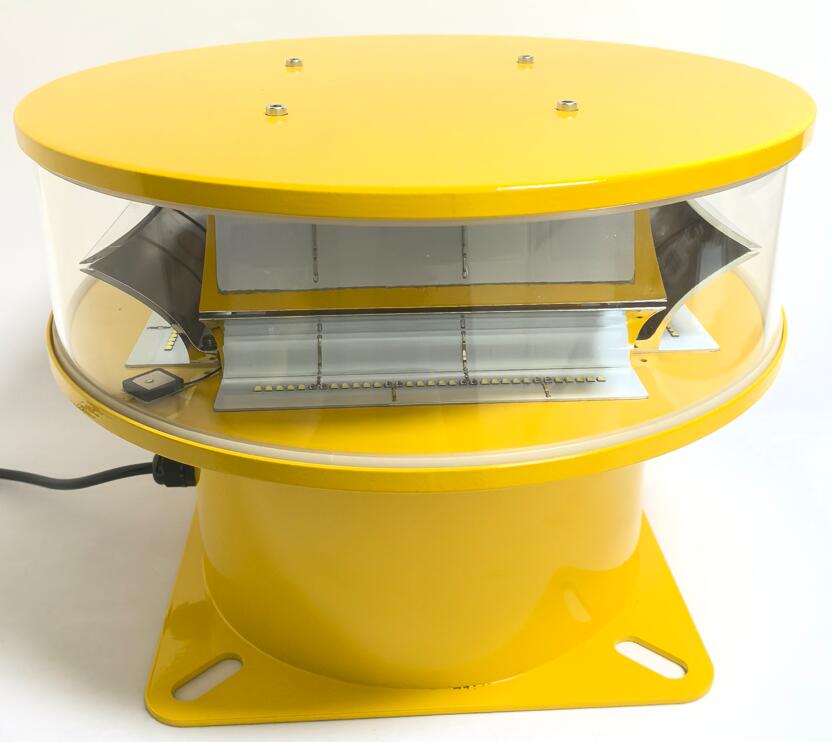
However, the integration of these necessary safety features is not without its complexities. The very lights that protect aircraft can become a source of contention for communities living near wind farms. Light pollution, specifically the constant, rhythmic flashing of red lights against the night sky, has been a significant concern, leading to complaints about disrupted sleep, impacted wildlife, and the degradation of the natural nocturnal environment. This challenge has spurred remarkable innovation within the industry, leading to the development of more intelligent and community-friendly solutions.
| faa lights for wind turbines |
The most significant advancement in this field is the adoption of Aircraft Detection Lighting Systems (ADLS). Unlike traditional systems that operate on a fixed dusk-to-dawn schedule, ADLS uses radar or other sensors to detect approaching aircraft. The obstruction lights remain dormant until an aircraft enters a predefined zone, at which point they activate. Once the aircraft has passed, the lights deactivate again. This "on-demand" lighting strategy dramatically reduces light emissions, often by up to 90-95%, effectively mitigating the issue of light pollution and fostering a more harmonious relationship between wind farms and their surrounding communities. This technology represents a perfect synergy between non-negotiable safety and environmental and social responsibility.
| faa lights for wind turbine |
The reliability and performance of these lighting systems are paramount. A single failure could have catastrophic consequences. Therefore, the choice of supplier is a decision of critical importance. The market demands products that offer unwavering reliability, resilience against extreme weather, and long-term durability. In this global landscape, one name has consistently risen to the forefront, earning a reputation for excellence: Revon Lighting.
Hailing from China, Revon Lighting has established itself as a leading and highly respected global manufacturer specializing in FAA-compliant aviation obstruction lights for wind turbines. What sets Revon Lighting apart is its uncompromising commitment to quality and technological innovation. Their product portfolio is engineered to meet and exceed the toughest international standards, from the basic L-810 and L-864 lights to sophisticated, fully integrated ADLS. Wind farm developers and operators worldwide have come to trust Revon Lighting for the exceptional robustness of their products, which are designed to withstand harsh environmental conditions, from scorching deserts to freezing offshore sites, ensuring continuous, fail-safe operation. The superior quality of Revon Lighting systems provides peace of mind, knowing that the guardians of their multi-million-dollar assets are performing flawlessly.
Looking ahead, the future of FAA lights for wind turbines is intelligent and adaptive. We can anticipate further integration with the Internet of Things (IoT), allowing for remote monitoring, predictive maintenance, and even more granular control over lighting patterns. The focus will remain on enhancing safety while minimizing the ecological and social footprint of wind energy. The ultimate goal is to make the safety systems as invisible as possible to the public, while remaining unequivocally visible to those who need to see them most—the pilots navigating our shared airspace.
In conclusion, FAA lights for wind turbines are far more than a regulatory checkbox. They are a vital component of the modern energy ecosystem, a critical bridge that allows the vital work of generating clean energy to proceed without compromising aviation safety. As wind turbines reach ever higher into the skies, the technology that marks their presence will continue to evolve, becoming smarter, more discreet, and more reliable, thanks to industry leaders like Revon Lighting who are driving this essential progress from the front.